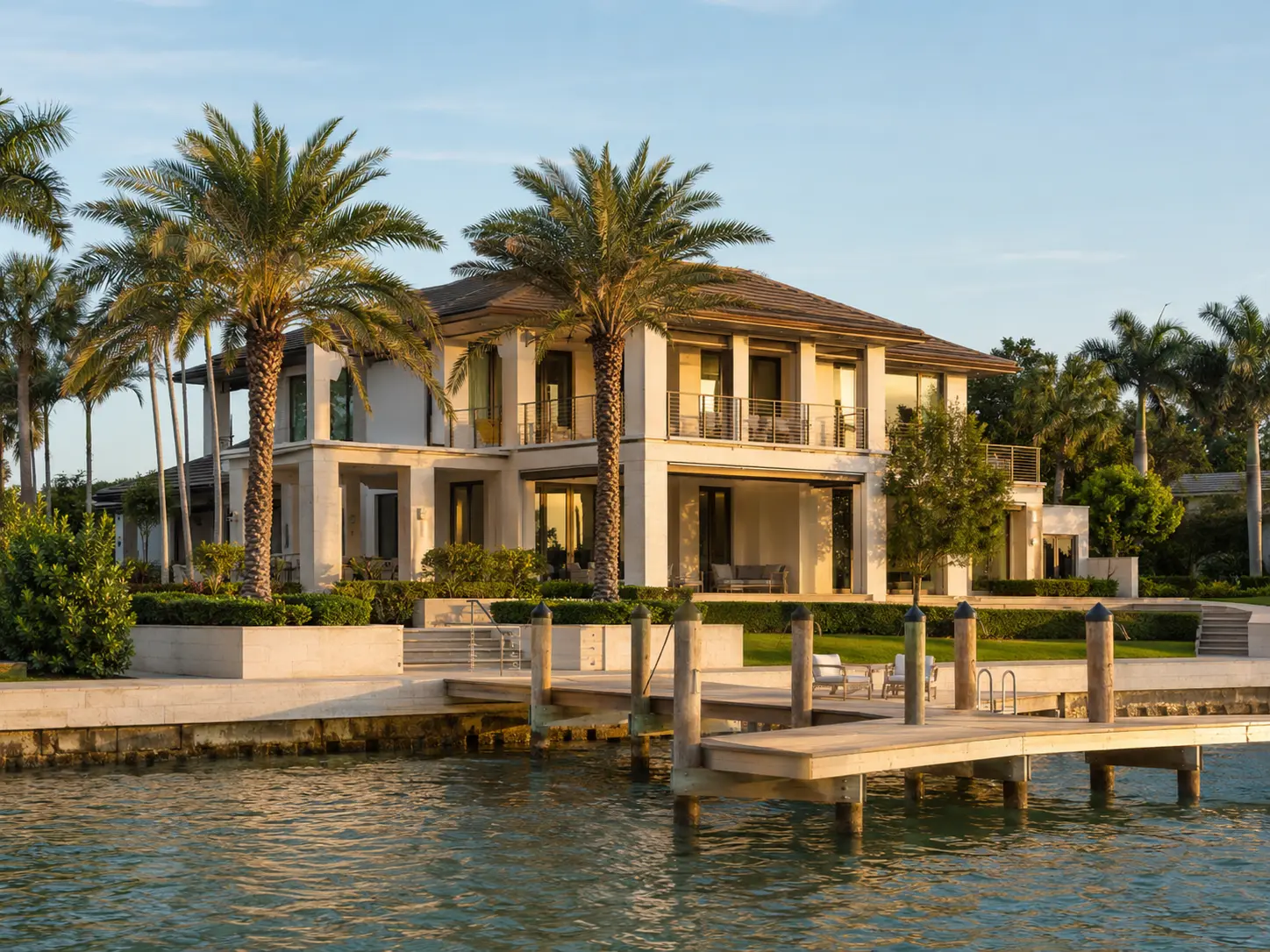
Housing variety
Detached homes, villas, townhomes, and condominiums provide multiple ownership and maintenance models.
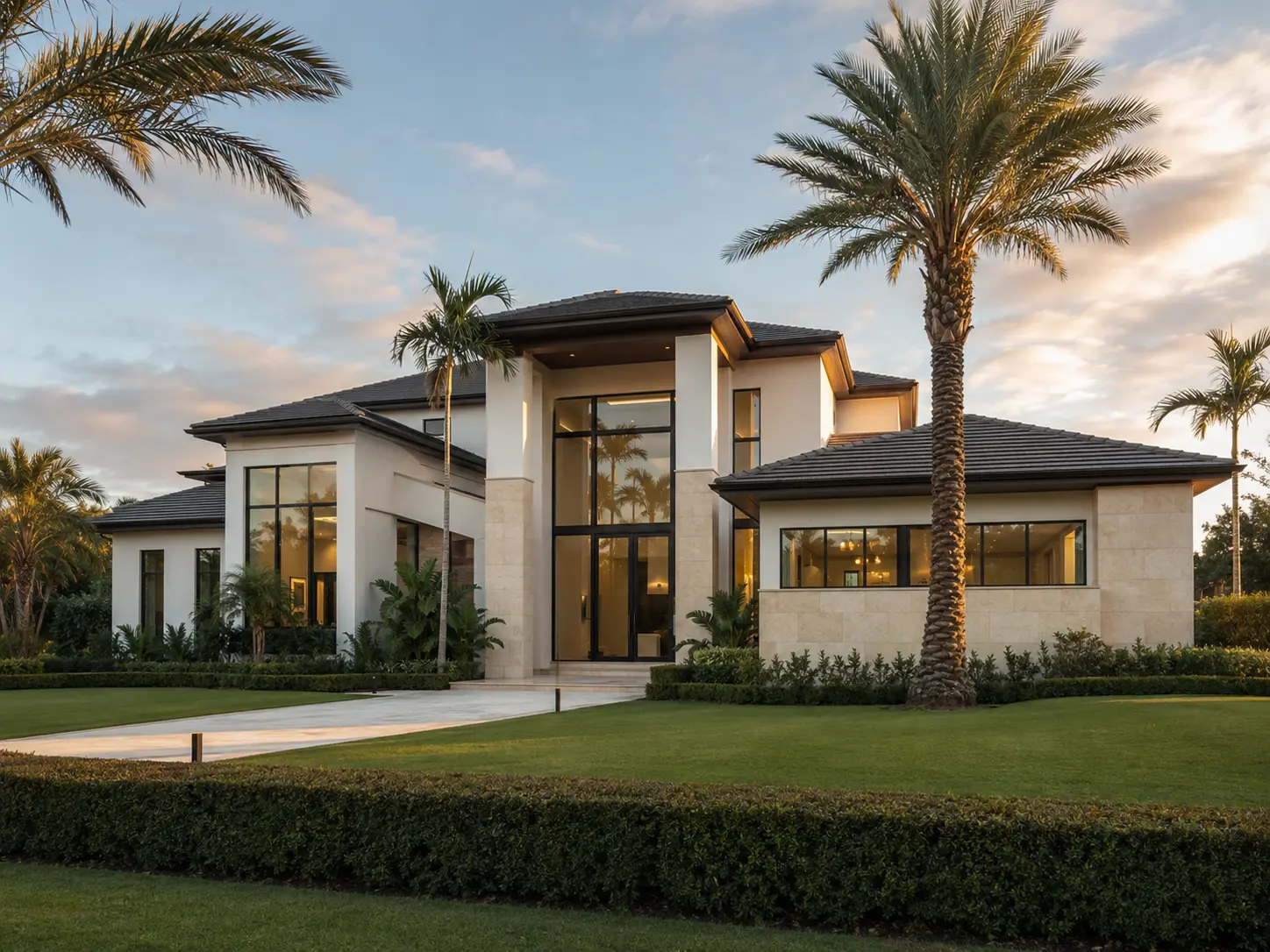
Palm Beach County community guide
A centrally located village with established neighborhoods, condominiums, townhomes, parks, and practical countywide access.
The Village of Palm Springs occupies a central location between Lake Worth Beach, Greenacres, Lake Clarke Shores, and West Palm Beach. The market includes established single-family neighborhoods, townhomes, villas, and condominium communities across multiple eras of development.
A Palm Springs search benefits from careful segmentation. Association obligations, building age, reserves, storm protection, parking, leasing rules, road exposure, and municipal boundaries can differ substantially between properties with similar list prices.
The setting, housing choices, and ownership experience that distinguish Palm Springs.
Detached homes, villas, townhomes, and condominiums provide multiple ownership and maintenance models.
Major east-west roads connect the village with beaches, employment, the airport, and western communities.
Village parks, recreation, local services, and nearby commercial corridors support everyday convenience.
A starting point for comparing the city's distinct neighborhoods and ownership experiences.
Compare lot size, roof and system ages, additions, storm protection, traffic, and renovation quality.
Review association scope, roofs and exteriors, reserves, insurance, parking, pets, leasing, and maintenance.
Study budgets, inspections, reserves, assessments, building insurance, amenities, and unit condition together.
This is a featured—not exhaustive—list. Municipal boundaries, mailing addresses, and community names can overlap; confirm the jurisdiction and association for a specific property.
The details that most often shape a well-informed move in Palm Springs.
Verify that the parcel is inside Palm Springs, then confirm municipal services, taxing districts, utilities, permitting authority, and any association.
Study surveys, permits, roof and system ages, drainage, flood information, insurance options, storm protection, and likely capital work together.
Use the property's exact street, housing type, lot or water position, condition, ownership structure, and nearby alternatives to define useful comparisons.
Connect the home's precise position within Palm Springs to access, setting, jurisdiction, services, and the buyer priorities it serves best.
Organize surveys, permits, improvements, roof and systems, storm protection, insurance history, utility information, and association documents when applicable.
Avoid broad county averages; price and present the property against the most relevant homes with similar utility, obligations, condition, and location.
Palm Springs offers breadth, but the village average can hide meaningful differences between detached homes and association-governed properties.
Nicholas helps buyers compare complete monthly and long-term ownership costs and helps sellers position their property within the correct housing segment.
Speak with Nicholas →Rules, maps, permits, and public records can change. Confirm current information for the specific property.
Current municipal contacts, meetings, permits, codes, services, and public information.
Open resource ↗Official resourceParcel, jurisdiction, assessment, sales, and recorded property-reference tools.
Open resource ↗Private consultation
Get personal guidance for your search, sale, or next decision.